Jihoon Suh
Design Lead, Coinbase · New York
KAIST Industrial Design · University of Washington HCDE
Jihoon Suh is a Korean product designer based in New York City: Staff Product Designer and design lead at Coinbase, previously at Meta and Google.
The journey
The story is easier to follow through the questions I was chasing than through the company names. Each chapter was an attempt to answer one.
Three early startups
EdTech, wearables, IoT · 2012, 2015 – 2016
Which emerging technologies actually matter?
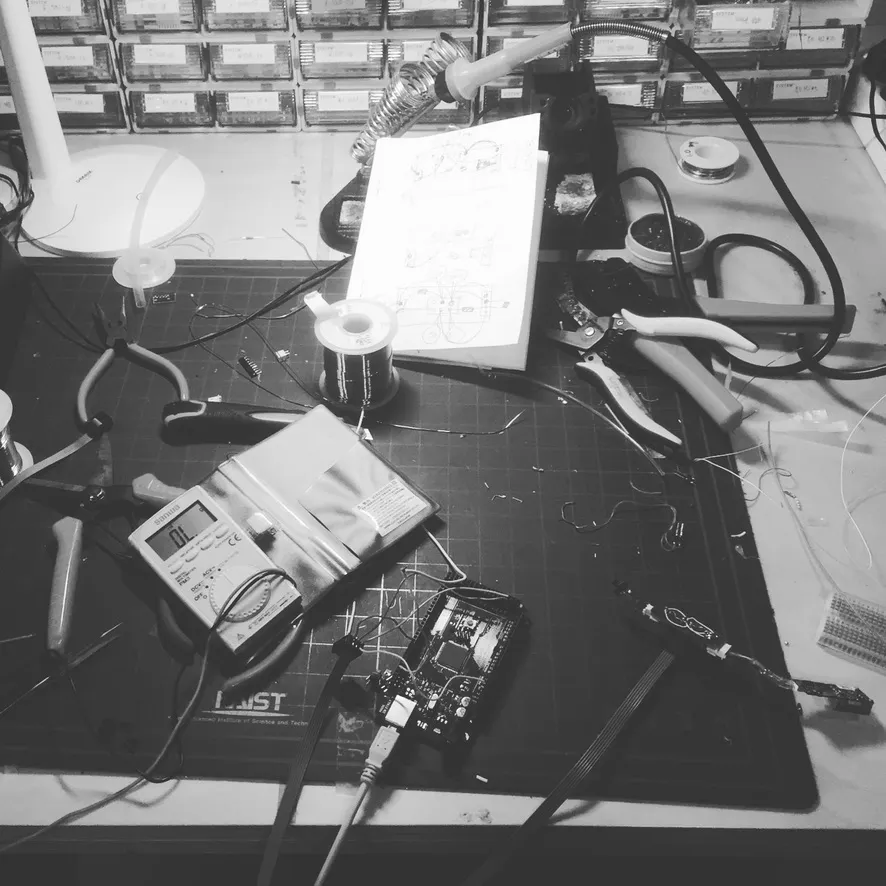
Across three different startups spanning EdTech, wearables, and IoT, I got my first real exposure to building products end to end, from hardware interaction to web and mobile interfaces. It was also where I discovered how much emerging technology, especially VR, genuinely excited me.

Daydream, AR/VR · 2017
How does immersive computing become intuitive enough for everyday people?
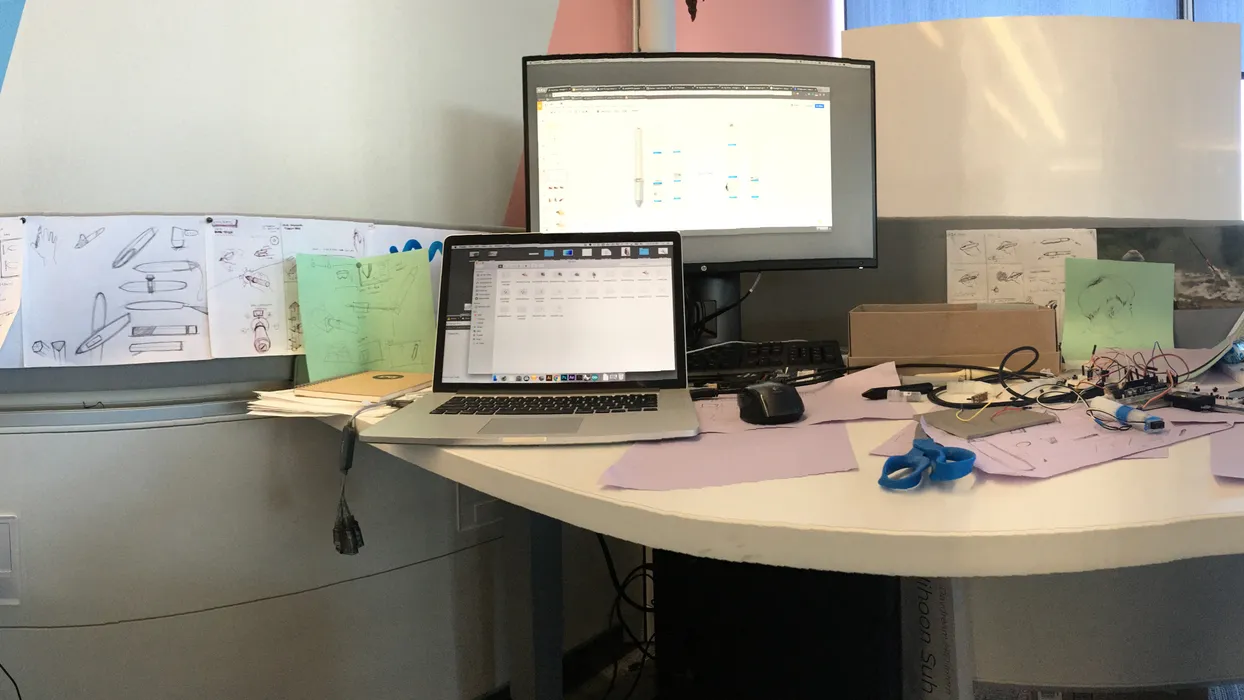
At this research lab, I focused on building novel interaction patterns for next-generation immersive computing. Prototyping across both hardware and software, I worked to define a holistic, OS-level picture of how AR/VR could live inside the Google ecosystem. Cutting-edge work, and genuinely challenging.

Meta
Facebook Gaming · 2018 – 2020
How do people gather and build communities online?
My focus shifted from immersive experiences to human connection. Gaming wasn't simply entertainment. It was one of the earliest examples of large-scale digital communities forming around shared interests, and I became increasingly interested in how products shape social behavior.

Meta
Messenger · 2020 – 2022
How can technology preserve human connection when physical presence disappears?
The pandemic changed how people communicated almost overnight, and video calling became essential infrastructure. I moved from Gaming to Messenger because I believed communication would become one of the most important product challenges of the moment, and I led design for the real-time social suite as it reached hundreds of millions of people. The work reinforced a belief that still guides me: technology is most meaningful when it helps people connect.

Coinbase
Onchain finance · 2022 – Present
How does value move across the internet?
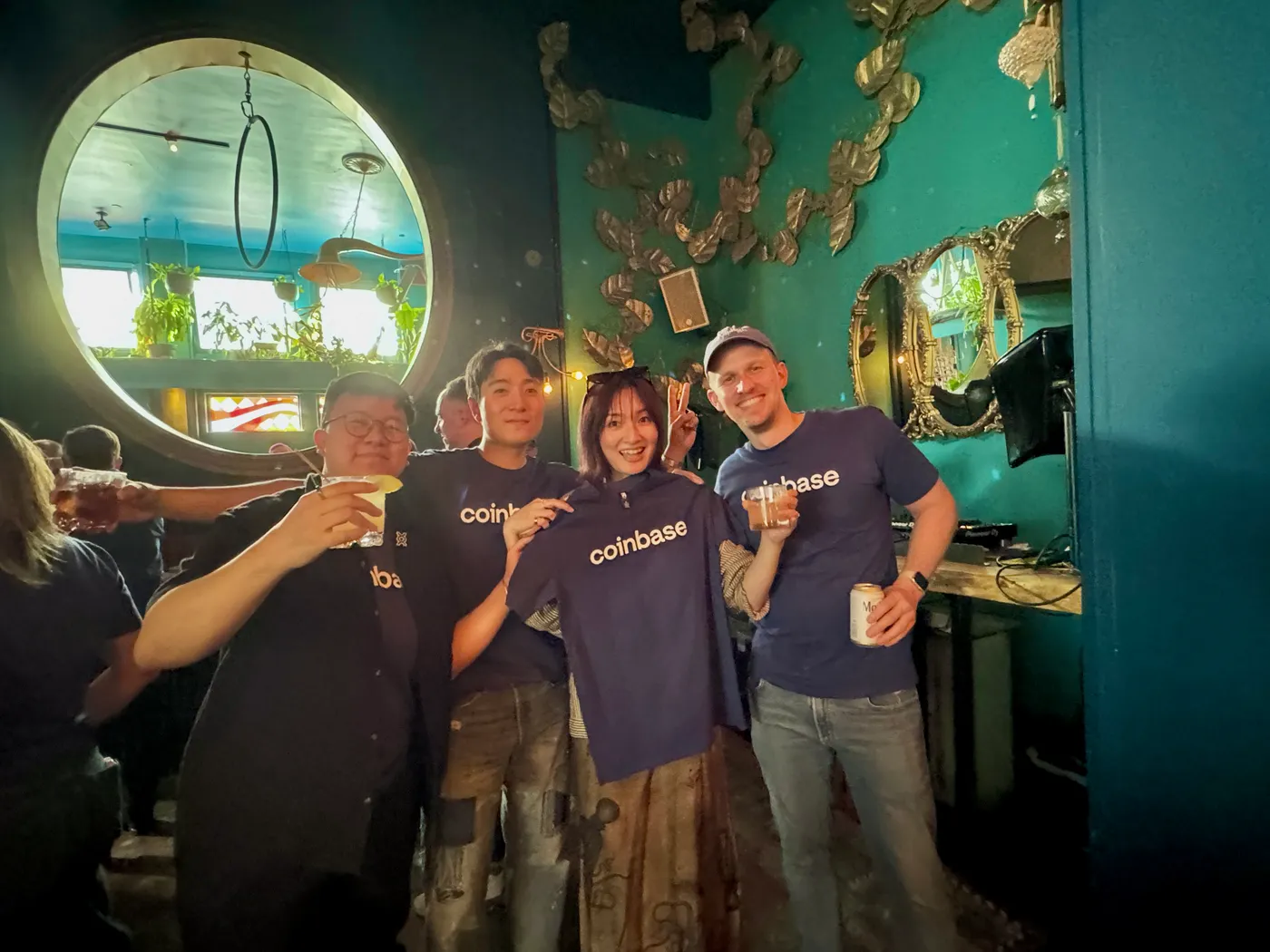
As the world emerged from the pandemic, my curiosity turned toward financial systems. Blockchain introduced a larger question: what happens when value moves as freely as information? Since joining I've worked on wallets, onchain finance, borrowing, lending, and trading, and gotten to witness crypto move toward far wider adoption along the way. I lead this work as a player-coach, designing alongside a small team while shaping the rituals, quality bar, and how design gets reviewed across the vertical. The challenge remains the same as ever, helping a new technology become understandable, useful, and trustworthy enough for everyday people.

How I lead
Leading design, for me, is less about owning the pixels and more about building the conditions for good design to happen at scale.
Player-coach
I lead small teams while staying in production myself, setting direction without leaving the craft. I mentor the people around me, and advise and hire design for teams outside work.
Strategy and new bets
I contribute to product and team strategy, and I'm often the founding designer the company turns to for its riskiest 0-to-1 bets, from Stand with Crypto to onchain finance.
Streamlining how the team works
I helped streamline and rethink how design review and support work, so the process stays light and designers' time stays protected for the work that moves the bar.
Rituals and a quality bar
As design lead, I decide on launch reviews with cross-functional partners, run the team's rituals, and set the quality bar, especially in categories with no established conventions.
Why design
What pulls me in is the moment a new technology stops being a demo and becomes something people actually reach for. Technology alone rarely changes anything. People do, and only once it feels understandable, useful, and trustworthy.
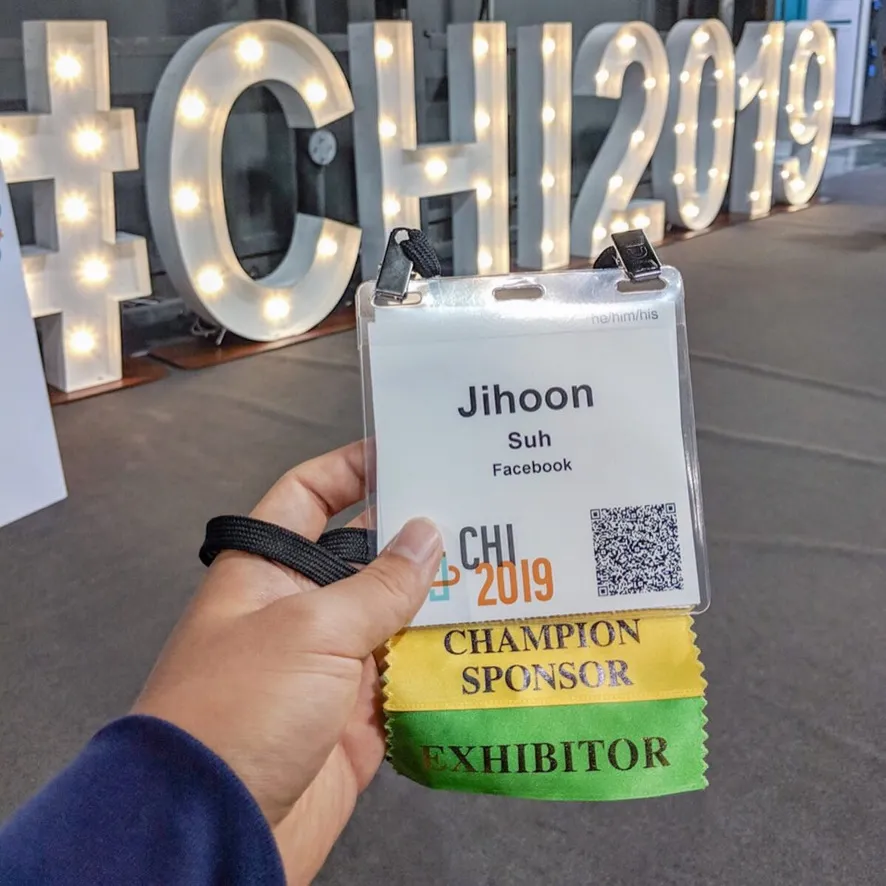
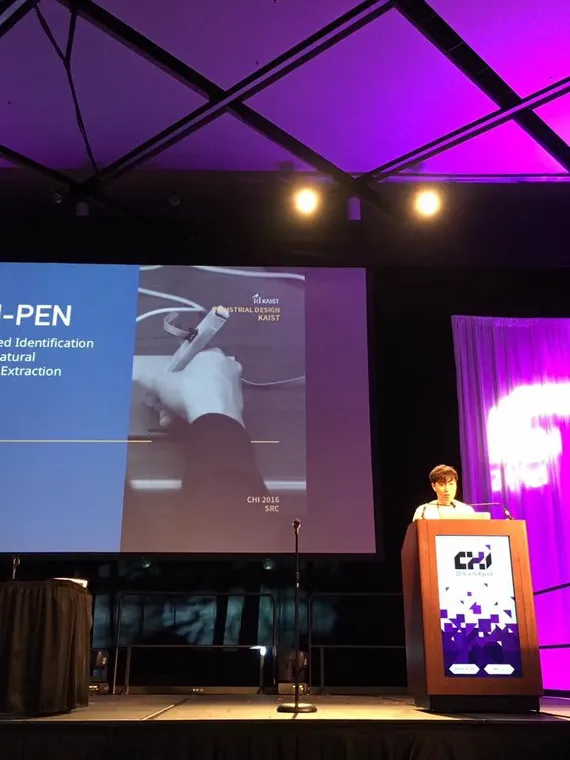
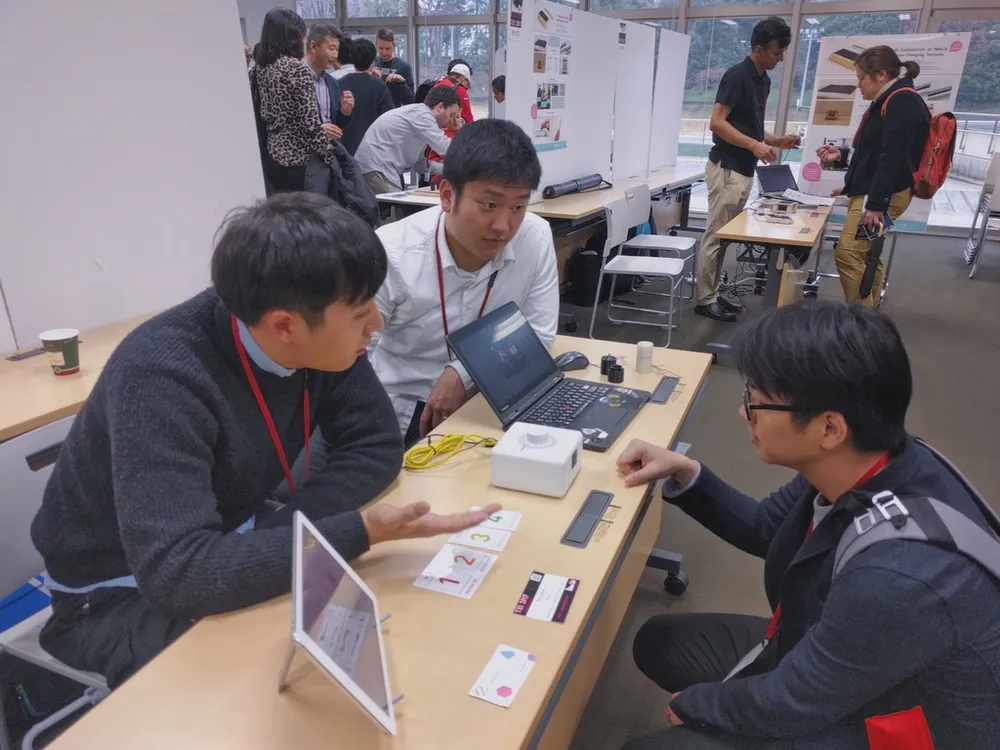
Design is what closes that gap, and that gap is where I want to spend my time. My path there ran through human-computer interaction, where I spent years inside the HCI research community, published three peer-reviewed papers, and presented my work at CHI. But the excitement has always been the same: turning raw possibility into something human.
The earliest of that work, the student projects, prototypes and side experiments from 2012 to 2016, is still up on the legacy site, kept exactly as it was.
Recognition
Four US patents
Two US utility patents co-invented at Meta, one for session captures that keep the active speaker in view during playback and one for surfacing game-related content, and two US design patents at Coinbase for consumer finance interfaces.
US11405347B1 · US20230367539A1 · USD1073704S1 · USD1073721S1
Industry advisor, Cornell Tech
Currently appointed as an industry advisor at Cornell Tech, and a reviewer on the admissions board for the University of Washington's master's program. It is a return to the academic side of the work: before industry I taught HCI and physical computing there as a graduate teaching assistant.
Latest writing
Vertically Works
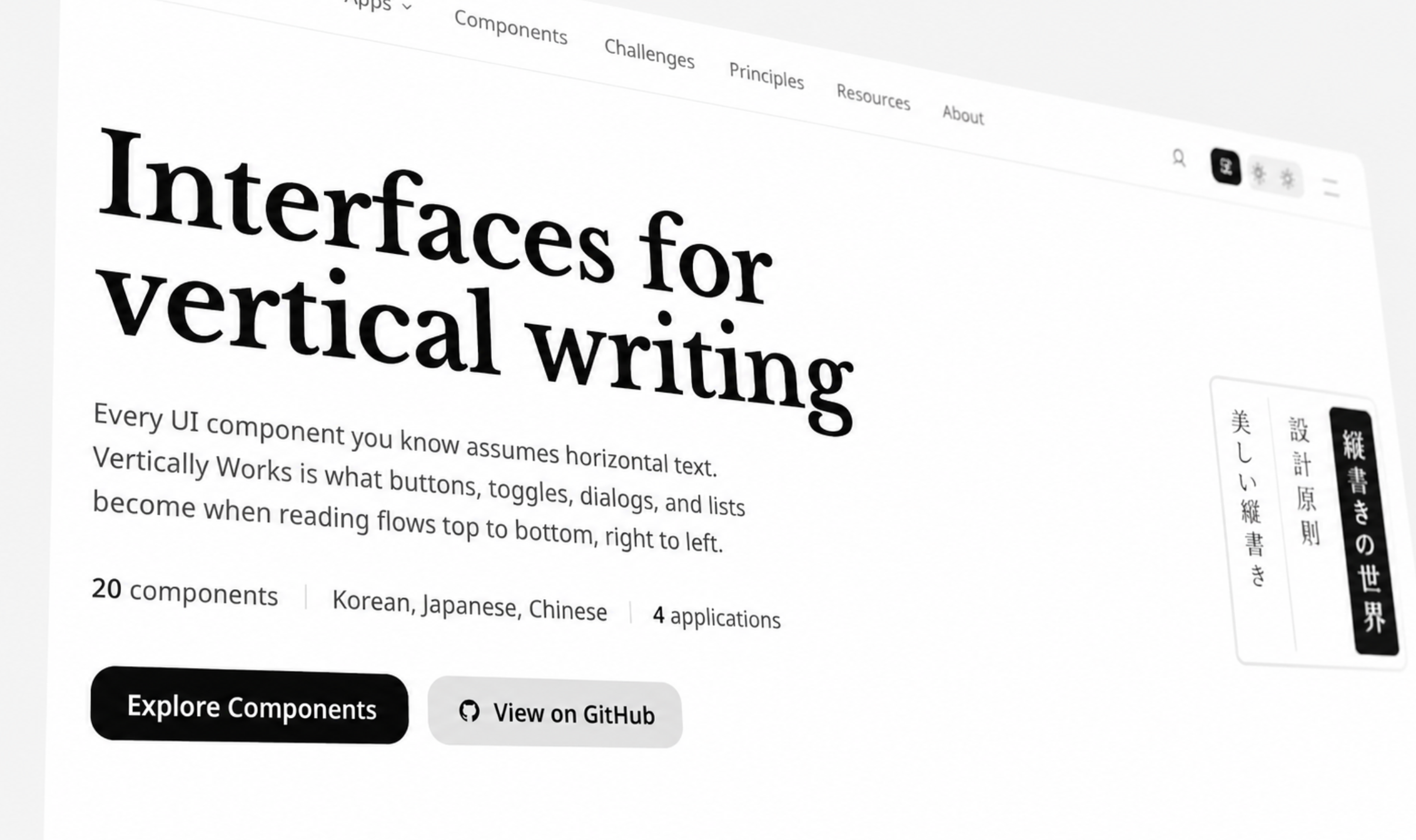
In 2019 I published a design exploration essay called Vertically Works, based on one intriguing idea: if digital interfaces had grown up around Korean, Japanese, and Chinese,…
Aug 3, 2026
Design workflows are personal now
Lately I’ve been noticing the designers around me are all doing their work differently. A few years ago we all used roughly the same tools in roughly the same order. That isn’t…
May 27, 2026

The Floor Keeps Rising
At some point I started feeling like there’s no comfortable middle ground left. But I should clarify what “middle” means first. It’s the people who’ve stopped growing in an…
May 22, 2026

Beyond work
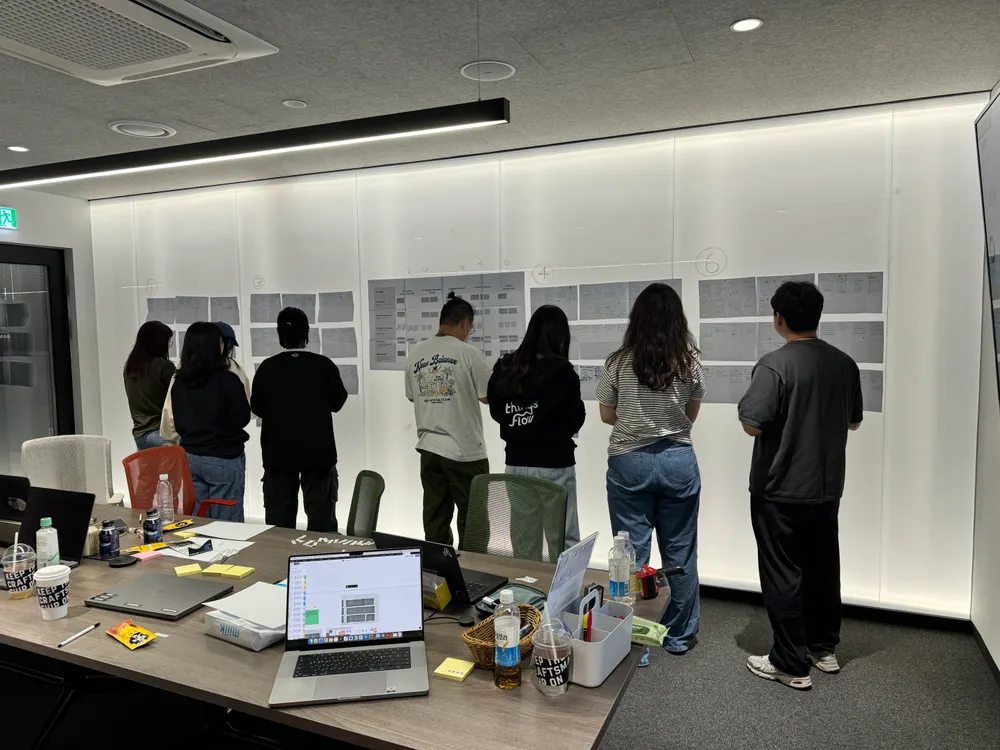
Outside work, I spend time building products, writing, advising founders, investing, and supporting design communities.
Design advisory
Design sprints, product feedback, and hiring for consumer startups.
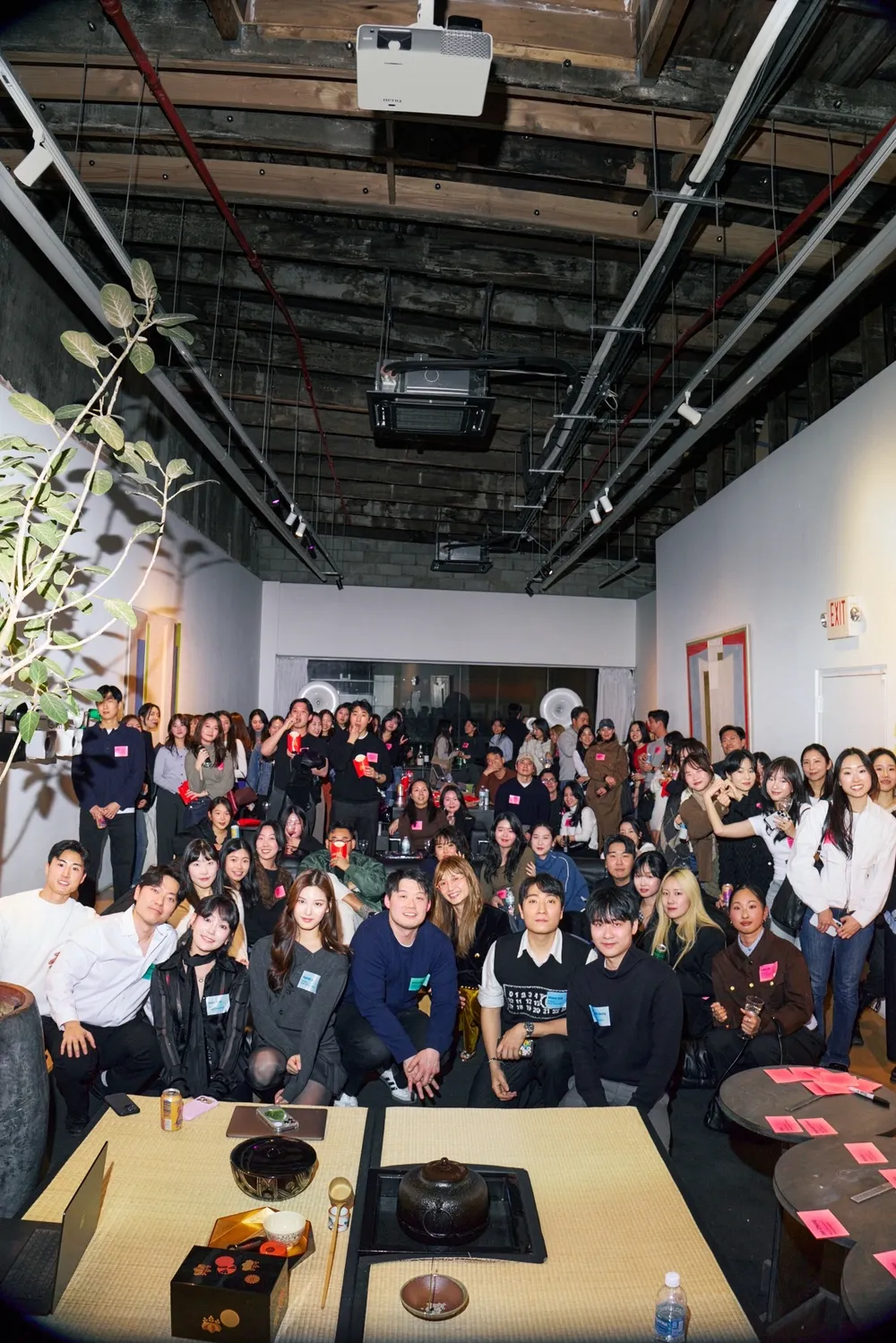
KIDNY
A comprehensive design profession community with 100+ members in NYC.
Questions people ask
Who is Jihoon Suh?
Jihoon Suh is a Korean product designer based in New York City. He is a Staff Product Designer and design lead at Coinbase, and previously designed consumer products at Meta and Google.
What does Jihoon Suh do at Coinbase?
He leads design for consumer onchain finance as a player-coach, managing a small team while still designing as an individual contributor. He joined Coinbase in 2022 as a Staff Product Designer and has worked on trading, borrowing, lending, and wallets.
Is Jihoon Suh a UX designer or a product designer?
Both. He trained in human-computer interaction, with an M.S. in Human Centered Design and Engineering from the University of Washington and research presented at CHI, and has held product design roles at Google, Meta, and Coinbase.
Where is Jihoon Suh based?
New York City. He is Korean, studied industrial design at KAIST, and moved to the United States for graduate school at the University of Washington in Seattle.
Does Jihoon Suh work with AI?
Outside Coinbase, yes. He builds AI products on the side, such as O3 Pack, an AI trip planner, and advises startups on product and UX design.
How can I see Jihoon Suh's case studies?
The detailed case studies, with screens, metrics, and process, are password protected. Recruiters and collaborators can request access through the contact form on this page.
Always glad to meet people building thoughtful products.
Whether you are exploring new technology, working across Korea and the US, or just want to compare notes, say hello.